Hard water
Hard water treatment in Cuyahoga County: spots, scale, and soap feel
A local guide to the everyday signs of hardness, what a softener changes, and what it does not do.
8 min read
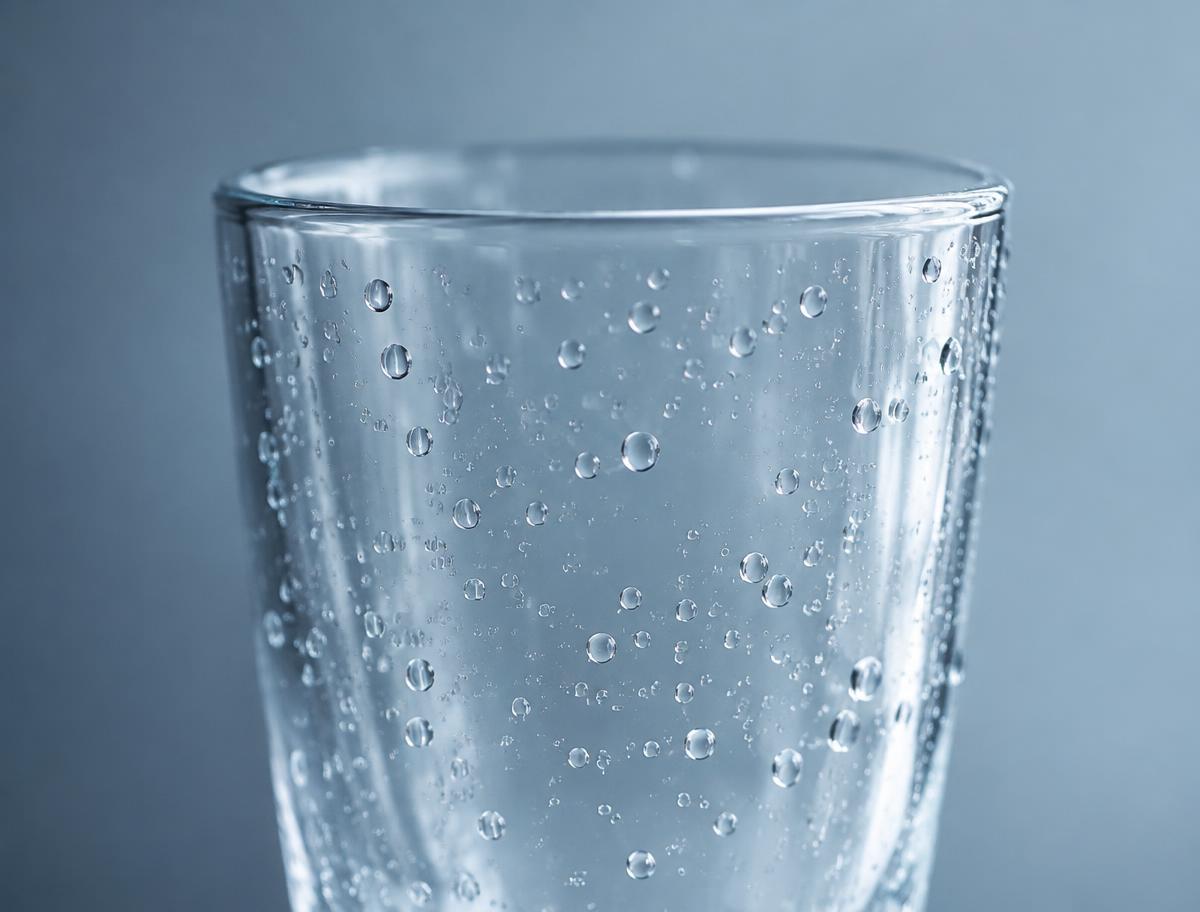
Hard water shows up in ordinary places
Hard water is water containing dissolved calcium and magnesium. In Cuyahoga County homes, homeowners usually notice the effect rather than the chemistry: spots on glassware, pale scale around faucets, a film on shower doors, or soap that seems to need extra effort. These are maintenance and comfort concerns, not a reason for a frightening kitchen-table demonstration.
The amount of hardness and the way it feels can vary by water source, address, plumbing, and household habits. That is why Softstone starts with a free test at the tap. For public water customers, we also look at the utility’s public water-quality information for context. The goal is to understand your home rather than claim that one county-wide number describes every faucet.
Why spots return after cleaning
When hard water dries, mineral residue can remain on the surface. You may wipe a fixture or glass clean, only to see spots again after the next use. Shower doors and dark countertops can make the pattern especially visible. A rinse aid or frequent wiping may help with appearance, but it does not change the hardness moving through the plumbing.
A whole-home softener treats hardness before water reaches those surfaces. Homeowners often describe easier cleanup and fewer visible deposits after treatment. Existing scale does not disappear instantly, and old fixtures may need a thorough cleaning. The practical benefit is reducing the new hardness residue that keeps adding to the work.
Scale and water-using appliances
Scale can gather where water is heated or evaporates, including aerators, showerheads, dishwashers, and water heaters. Over time, that buildup can make appliances work harder and can narrow small openings. A softener is intended to reduce the hardness minerals before they move through the house, helping limit future accumulation.
It is still important to keep claims realistic. A softener does not repair an appliance that is already failing, and the result depends on proper sizing and operation. It is one part of routine home care. If you are comparing systems, ask how capacity is matched to measured hardness and household water use rather than accepting the largest tank as automatically better.
Start with your water, not a sales tier.
A free at-the-tap test helps separate hardness, taste, odor, and installation questions before you choose equipment.
What the free test includesWhy soap feels different
Hardness minerals interact with soap, which is why homeowners may notice weak lather, residue, or the feeling that more product is needed. With softened water, soaps and detergents tend to work differently. That can mean better lather and less product for the same task. It can also take a short adjustment period because familiar amounts may suddenly be more than necessary.
The change is about household comfort, not health. Softstone talks about what you can see and feel: lather, spots, scale, and cleanup. We do not use hardness as a scare claim. If those everyday issues are not bothering you, there is no reason to pretend they are an emergency. If they are, testing offers a clear way to understand the starting point.
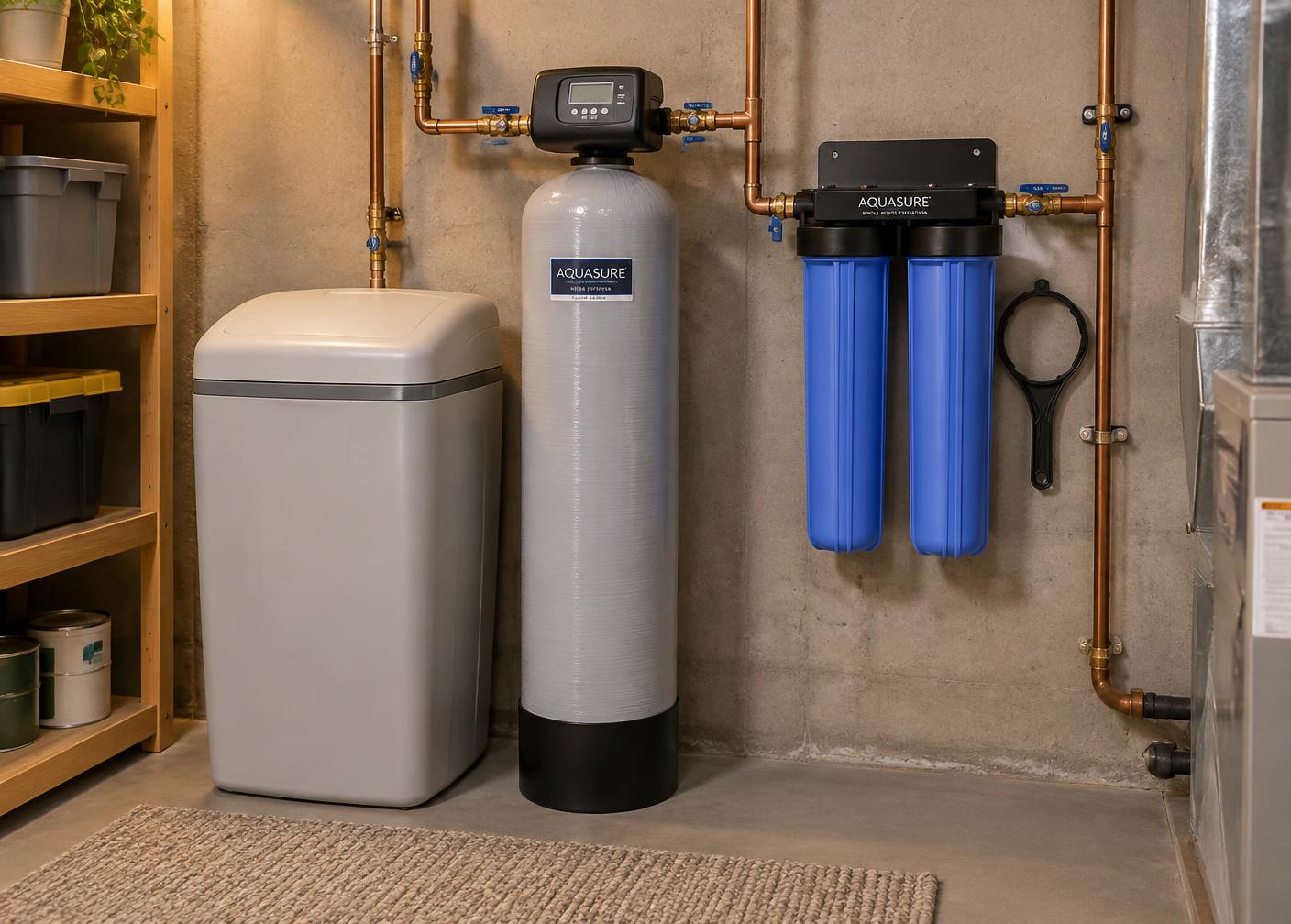
A softener does not replace carbon filtration
Many Cuyahoga County homes receive city water, and some residents notice a chlorine-like taste or odor. That concern is separate from hardness. A softener handles calcium and magnesium. Whole-home carbon filtration is the stage intended to improve chlorine taste and odor. Asking one tank to do both jobs can lead to an incomplete result.
Softstone’s standard package includes both technologies, plus under-sink reverse osmosis for drinking and cooking water. The combination is deliberate: softening for scale and soap behavior, carbon for whole-home taste and odor, and RO for polished water at the kitchen. Each component has a clear purpose, which makes the recommendation easier to evaluate.
What happens during a Cuyahoga County water test
The free visit generally takes 30 to 45 minutes. We test water at the tap, talk through what you have noticed, and inspect the likely equipment location. We can review public utility information where it is relevant. Then we explain whether the standard package fits and identify any unusual installation conditions before a proposal moves forward.
This is also the time to ask practical questions. Where will the equipment sit? How much salt will the household use? Who performs the plumbing? What does standard installation include? Licensed plumbers handle Softstone installations, and Softstone coordinates the process. Startup and a homeowner walkthrough are part of the standard package.
Choosing hard water treatment without pressure
Compare complete systems on scope, not just tank size or a monthly payment. Look for clear answers about softening capacity, carbon filtration, kitchen drinking water, installation, and ongoing care. Be cautious when a provider uses a dramatic demonstration to jump directly to the most expensive tier without explaining which concern each piece of equipment addresses.
Softstone publishes one $3,599 package for a typical home because that package addresses the common combination of hardness, city-water taste and odor, and kitchen drinking water. We serve Strongsville and communities across Cuyahoga County, along with Medina, Lorain, and Summit counties. A free test is the easiest way to begin with your actual water instead of a generic pitch.
There is no obligation to decide during the visit. Take the recommendation, compare the included equipment and installation scope, and choose when the practical details feel right for your household.
Continue exploring
Ready for a clear answer about your water?
Book a free in-home water test. We will explain what we find, answer your questions, and let you decide.