Straight answers
What a water softener won't fix, and what to check instead
Softeners are good at one job. Here are the common household problems they don't solve, what usually causes them, and what to check before you buy anything.
6 min read
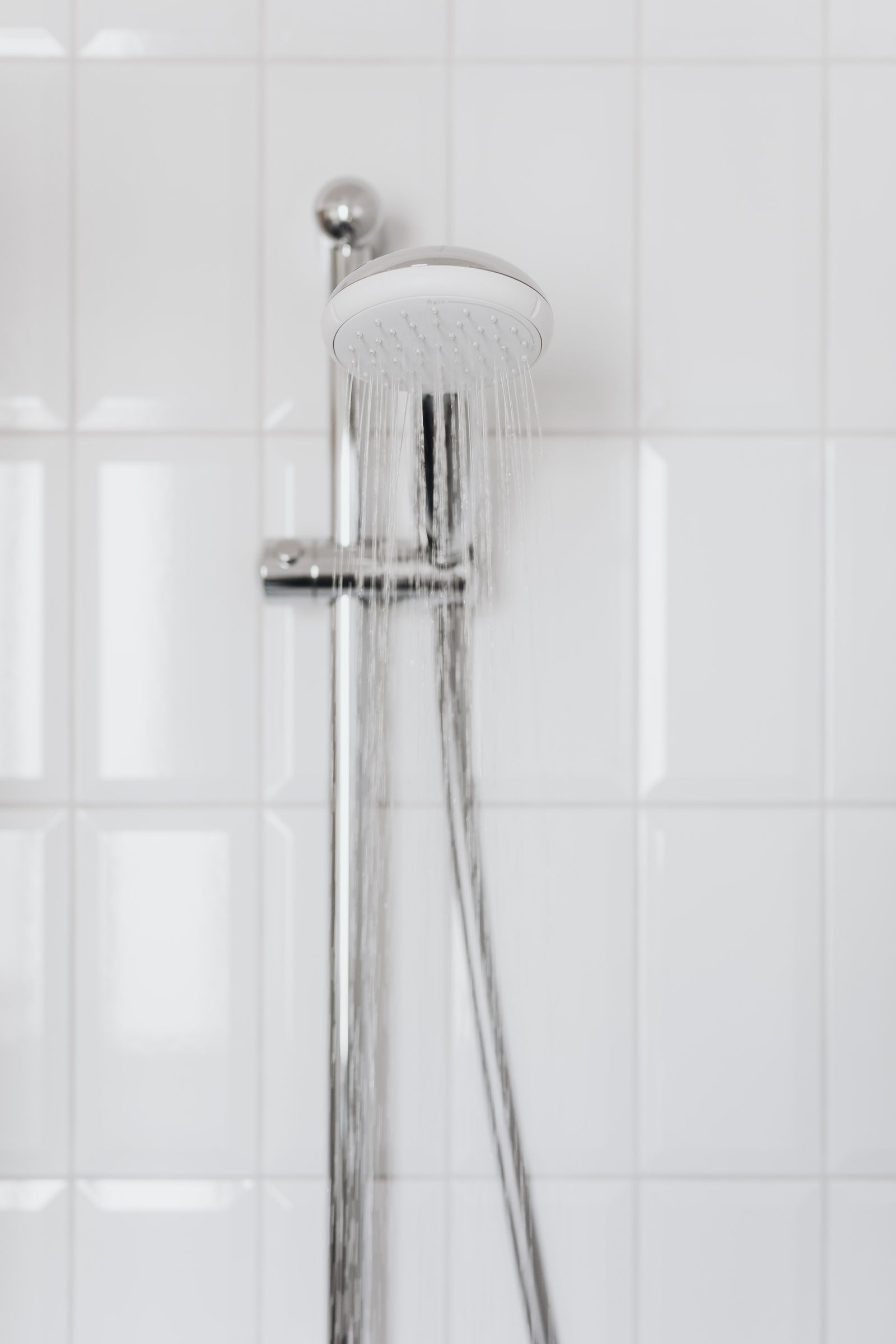
A softener does one job, and does it well
A water softener is an ion-exchange appliance. The Minnesota Department of Health describes it simply: resin beads inside the tank trap calcium and magnesium and swap them for sodium or potassium. When the beads fill up, a salt solution rinses the hardness minerals out and sends them down the drain.
That one job explains what softened water is good at. The same health department lists the benefits as less scale building up inside pipes, fixtures, and water heaters, fewer mineral spots on glassware, and less soap film in sinks, tubs, and washing machines.
It also explains what a softener isn't good at. If a problem in your house isn't caused by hardness minerals, a softener on its own usually won't touch it. Below are the problems people most often expect a softener to fix, what tends to cause them, and what to check instead. It's worth knowing even if you never buy any equipment.
Chlorine taste or a faint pool smell
Public water systems disinfect their water, and a small amount of that disinfectant stays in it all the way to your tap. That's what some people notice as a chlorine taste or a pool-like smell, especially in a glass of cold water.
Chlorine isn't a hardness mineral, so it passes through a softener. The University of Arizona Cooperative Extension's home treatment guide lists activated carbon, not ion exchange, as the method that reduces residual chlorine and taste and odor compounds. The same guide points out that carbon doesn't soften water. They're two different tools for two different jobs.
So if your water is already softened and still tastes like a pool, the softener is probably working fine. You're tasting something it was never designed to remove. Your utility's annual water quality report will tell you which disinfectant it uses.
Before you buy another showerhead, clean the one you have
Weak flow at a single faucet or shower is often a clogged aerator or screen, not a water problem. Moen and Delta both explain that aerators, debris screens, and flow restrictors collect sediment and mineral deposits over time, which can cut the flow or distort the spray.
Delta's suggested fix is low-tech. Unscrew the aerator or showerhead, soak it in a mix of half white vinegar and half water for several hours, scrub stubborn deposits with a toothbrush, and flush the line for a couple of minutes before reinstalling. Some faucets hide the restrictor under the handle or beneath the sink, so check your model's parts diagram if you can't find one at the spout.
A softener can slow how quickly new scale forms after it's installed. It won't clean out deposits already packed into an aerator, and it won't fix a partly closed valve or a kinked supply line. If every fixture in the house is weak, that's a question for a plumber, not a water test.
Start with your water, not a sales tier.
A free at-the-tap test helps separate hardness, taste, odor, and installation questions before you choose equipment.
What the free test includesGlasses that are already etched
Cloudy glassware comes in two kinds. Mineral film wipes off with white vinegar. Etching doesn't, because it's permanent wear on the surface of the glass. Whirlpool's support guidance treats them as different problems with different causes.
A softener can cut down on new mineral film, but it can't restore glass that's already etched. Whirlpool also connects etching to soft water combined with too much detergent and hot, long cycles, so after water is softened it makes sense to use less dishwasher detergent rather than more.
A rotten-egg smell, especially from the hot tap
If the odor shows up only when you run hot water, the water heater is a common source. Penn State Extension explains that the magnesium anode rod inside many water heaters can react with naturally occurring sulfates in the water and produce hydrogen sulfide, the gas behind that smell.
Penn State's guidance is to have that rod replaced with a different type rather than simply removed, because removing it can shorten the heater's life and may void its warranty. That's a job for a plumber or the heater manufacturer's instructions, not a softener. Penn State also notes that in rare cases a softener can contribute to the problem, so adding one isn't a cure.
If the smell is in both hot and cold water, especially on a private well, that's a different situation. It calls for testing before anyone recommends equipment.
Stains, cloudiness, and anything that isn't hardness
A softener isn't a general-purpose filter. Arizona's extension guide notes that ion-exchange softeners don't remove organic chemicals, particles, or radon, and that they work best with particle-free water. The Minnesota Department of Health adds that some softeners can partly remove iron or manganese, but that iron already exposed to air or chlorine can foul the resin, and some water needs filtering before it reaches the softener.
Whether any of that applies to your house depends on what's actually in your water. On public water, start with your utility's annual report. On a private well, start with a test of your own water, since your neighbor's results won't tell you much about yours.
So what does a softener actually fix?
Hardness. Scale on fixtures and inside the water heater, spots on glasses, soap that won't lather, and that crusty ring around the faucet base all trace back to calcium and magnesium. If those are your complaints, a softener is the right tool.
Most homes have more than one thing going on, which is why Softstone's one published package pairs three pieces: a water softener for hardness, whole-home carbon filtration for chlorine taste and odor, and an under-sink reverse osmosis system for drinking and cooking water at the kitchen sink. It's $3,599 installed.
If you're not sure which of these problems you actually have, a hardness reading is a good place to start. Softstone's free in-home water test takes about 30 to 45 minutes. We test hardness and the basics at your tap, and on wells we look more widely and recommend a certified lab when the results call for it. You get the numbers and a straight answer about whether treatment makes sense, with no obligation to buy. We serve Strongsville and homes across Cuyahoga, Medina, Lorain, and Summit counties. Call or text (330) 304-1001, or use the free water test page.
Sources
- Minnesota Department of Health: Home water softening FAQ
- University of Arizona Cooperative Extension: Home water treatment options (AZ1498)
- Delta Faucet: Why does my faucet have low water pressure?
- Delta Faucet: Removing mineral deposits from an aerator
- Moen: Faucet aerator cleaning
- Whirlpool: Etching or cloudy glassware
- Penn State Extension: Hydrogen sulfide (rotten egg odor) in water wells
Continue exploring
Ready for a clear answer about your water?
Book a free in-home water test. We will explain what we find, answer your questions, and let you decide.